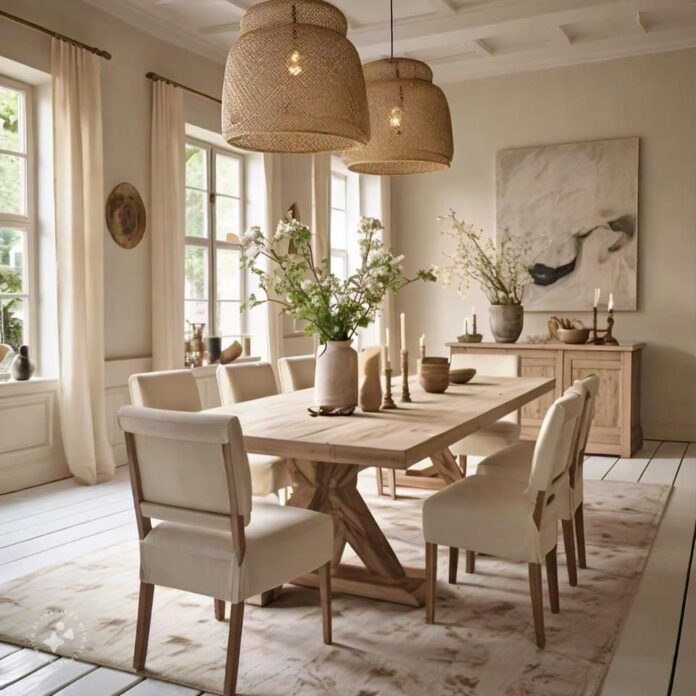
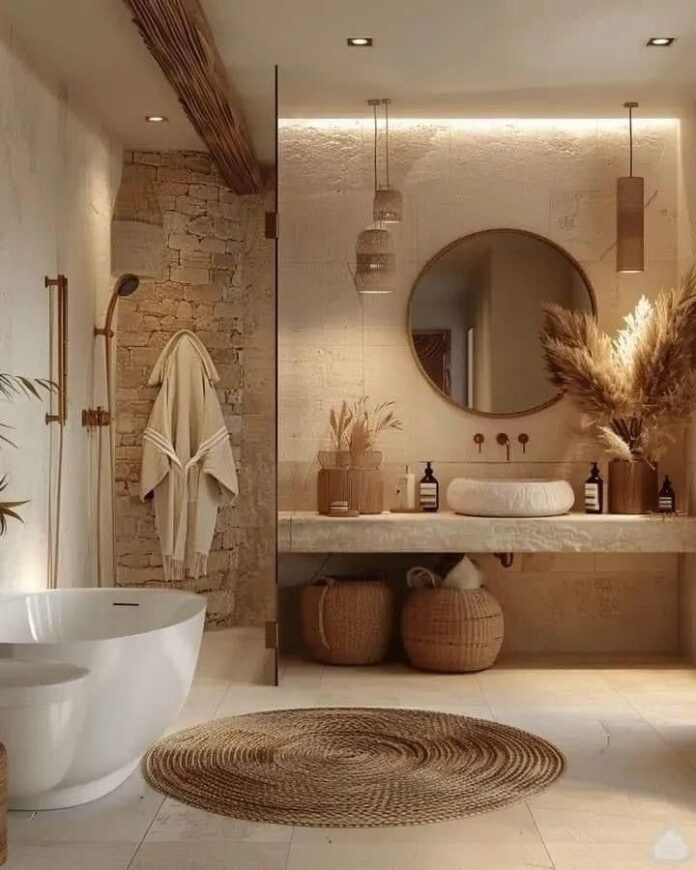
Lighting is a very important point in decoration. To make your dining room amazing, check out these tips!
Lighting is an essential part of any decorating scheme for a specific room. This is because, without adequate light, it is much easier to cause discomfort, and poor visualization of elements, among other disadvantages. Therefore, it is very important to consider everything that makes up a good lighting scheme, especially in the dining room, where family coexistence needs a cozy and pleasant atmosphere to spend with more love.
Natural lighting
To improve the natural light scheme of your dining room, you should promote as much sunlight as possible. After all, he is responsible for keeping the place illuminated during the day. Only through it is it possible to enhance the joy that the environment provides to the people who are there. An important care that must be taken is excessive heat, which can occur due to the high incidence of the sun in the environment, especially in places where this climate is predominant. For natural light to be efficient, you must create opportunities for it to enter the dining room, such as with doors and windows.
In environments with less possibility of natural light entry and in climates that do not receive much sun, the ideal is to use glass as an auxiliary light factor. Use it on doors and windows to enhance sunlight and maintain the strength of natural light, which is affected for other reasons.
Another piece of advice is in relation to curtains, which cannot, in any way, provide more darkness than necessary. In this case, softer and more basic colors such as white or beige and even bright colors between red, yellow, and orange can help the process.
Artificial lighting
Everyone needs to see the decor you’ve thought of for their environment, and artificial lighting elements help convey that message. After all, the idea of bringing them to the dining room is to enhance the decoration even at night where the meals are even more refined and refined.
Ceiling lamps are differentiated items, with discreet and precise light for environments. Ideal for shelves, niches, and very low ceilings.
Lampshades are already popular lighting solutions for many rooms. Taller lamps, which do not need a stand and can be placed directly on the floor, are best suited for a dining room. Use in empty corners.
Extremely romantic, candelabras are items covered in mystery and royalty to be used at a dinner party. Nowadays there are several models of chandeliers that do not need candles but are charged with batteries. Ideal for the dinner table.
Colors
What are colors if not the incidence of light on objects, making our eyes capable of differentiating each of them by a visual characteristic of the reflection? Without well-defined colors, the lighting in your dining room can be greatly affected, mainly due to the help that colors provide in this regard.
It is easy to see how the color tone (lighter or darker) directly influences the lighting, even if it is very well done. Therefore, the most interesting thing is to choose colors for the decoration of the dining room that maintain the tone according to the lighting work carried out in the environment.
Check out some color combination tips to match your dining room lighting:
Dark lighting for bright environments: Use black and grayscale elements combined with a little white if you want less robust lighting.
Bright lighting for low-light environments: Play with the color white to maintain comfort.
Dark lighting for low-light environments: If you want dark lighting and the lighting scheme helps with that, use earth tones in the wood and other elements to keep the environment in that same style.
Clear lighting for an environment with lots of light: As the environment already collaborates with the lighting, you can safely use colors such as red, orange, and yellow, that is, warm colors that convey joy.
Other items that help with lighting.
Discover some elements that can be integrated into the decoration of your dining room to enhance lighting. Plan your places and use them to contemplate the natural and artificial lights of your scheme:
Glass: Objects made of glass, such as the tabletop itself, for example, are excellent for providing the feeling of greater space and the reflection of light;
White color: As we mentioned previously, white is the color with the highest incidence of light and therefore collaborates with your lighting scheme, brightening the place;
Mirrors: With the same purpose as glass, mirrors improve not only the reflection of light but also the feeling of space in the environment;
Ceramics: White ceramics are perfect decorative objects to combine with lighting, especially if this is a difficulty in the room;
Metals: Metals can also reflect light. So remember to also use them in the decorative composition of your dining room.
What kind of person are you: the aspiring chef, who loves to experiment and create different recipes, or the one who cooks because you know that ordering food every day is financially unfeasible in the long run?
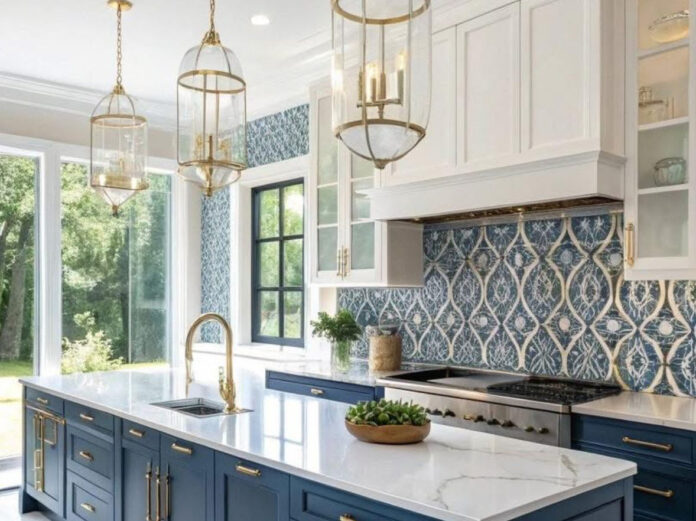
Regardless of your level of passion for cooking, knowing how to choose the ideal appliances and utensils for the kitchen ensures more practicality when preparing and storing food, in addition to guaranteeing a beautiful environment – yes, every detail makes a difference when it comes to cooking. to decorate!
For a better choice of appliances and utensils, take a look at these tips.
What is the best stove? Define your type
Stoves without a built-in oven are excellent alternatives for those who need to save space in the kitchen since they can be installed on countertops and also have portable versions.
The types of stoves are gas, electric, and induction. Understand the difference between each of them:
Gas stove: works in the same way as conventional stoves (by cylinder or local pipe), but is easier to clean. It is compatible with all types of pans, it is easily found in versions with four or five burners or stoves and in colored versions.
Electric stove: This model only needs a nearby plug to operate and does not emit a flame. However, once food preparation is complete, it may take a few minutes for your burner to cool down. It is important to note that, if you choose the electric stove, it is necessary to have pans with a reinforced bottom, preferably made of iron or steel.
Induction stove: like the electric plate, this model does not have grates and does not emit a flame. It works using electromagnetic waves, which only heat pans made of magnetic material.
Tip: To find out if your pan will work with this model, just hold a magnet to the base of the pan and see if it attracts the material.
The induction cooktop allows for precise temperature control and the temperature of its burners drops as soon as the pan is removed.
Choose the stove model that offers you the best cost-benefit ratio, best fits your budget at the time of purchase, and monthly energy or gas consumption. In addition to consumption, the main difference between them is in the level of security that each one offers. Therefore, if there are children or pets in your house that may have access to the kitchen, this is a point to take into account when making your choice.
How to choose the refrigerator
The refrigerator is an essential element to preserve food and help organize meals throughout the week. Check out some tips to make sure you don’t make a mistake when choosing yours:
Size and capacity
There are numerous refrigerator options on the market! Start with the basics: measure the space available in your kitchen to place the refrigerator, considering a safety margin of at least 10 centimeters on the sides, back, and above the refrigerator. In addition, it is also important to take into account the number of people who live with you. Thus, it is possible to define the ideal size and capacity of the appliance for your reality and facilitate the search for the ideal refrigerator.
Check manufacturers’ recommendations for the ideal refrigerator size
Small refrigerator, up to 300 liters: recommended for use in households with one to two people, but also small families who usually eat out during the week.
Medium refrigerator, 300 to 500 liters: recommended for houses where three to five people live.
Tip: Medium models are more common and relatively larger. Before purchasing, check the available space in the kitchen, and the size of doors, hallways, stairs, and elevators.
Large refrigerator, starting from 500 liters: meets the needs of more than five people or guest houses, which receive guests and need spaces to store different types of dishes and drinks in one place.
Defrost type
After defining the size and capacity of the refrigerator, it is time to choose the type of defrosting. It will mainly define the maintenance frequency of the device and its operation. Know the main types of defrost:
Manual defrost: these models accumulate ice in the freezer and, for maintenance, require the equipment to be unplugged.
Frost Free: Refrigerators with this technology have air circulation systems that prevent ice buildup.
Dry/Semi-Automatic Defrost: This works in a very similar way to models with manual defrost, but for the defrost to occur all you have to do is press a button.
Defrost cycle: This technology requires defrosting to be done manually, but only twice a year.
Keep in mind that the more technology provides more practicality in everyday life, the more the appliance will cost.
White or stainless steel refrigerator?
The white refrigerator is more traditional and is usually cheaper compared to the stainless steel model. However, over time their handles can yellow and devalue the beauty of the device.
If you want a more modern look for your environment, it is worth considering investing a little more and purchasing a refrigerator with a stainless steel finish.
What is the best electric oven?
Electric ovens are excellent options to complement the kitchen of those who have a stove. They can be built-in – ideal for those who want to have a custom piece of furniture – or countertop, which does not require complex installation.
When choosing, pay special attention to the capacity of the electric oven. Think about the recipes you usually prepare, the size of the pans you use most, and whether the desired oven suits your needs.
What is the difference between an extractor hood and a purifier?
Who never prepared that frying that left the whole house smelling of oil? There is a way to prevent this from happening with the help of a hood or scrubber. Understand a little about the difference between each:
The hood acts as an extractor, capturing air with smoke or the smell of oil and removing it from the environment, while the purifier filters the air and returns it to the same environment.
The hood usually has more power to clean the air inside your kitchen, but its installation is more complex, requiring there to be a duct or way to create an air outlet to the outside of the room. If installation is not possible, the purifier is still an excellent option for purifying the air.
Many times we do not give importance to the service area, but this space must be well designed, not only thinking about the furniture but also its covering and lighting. Generally, we value the environments where we are going to receive visitors, but we also have to think about our day-to-day life, and that we have to feel good in every room of the house/apartment, right?
How to configure the service area
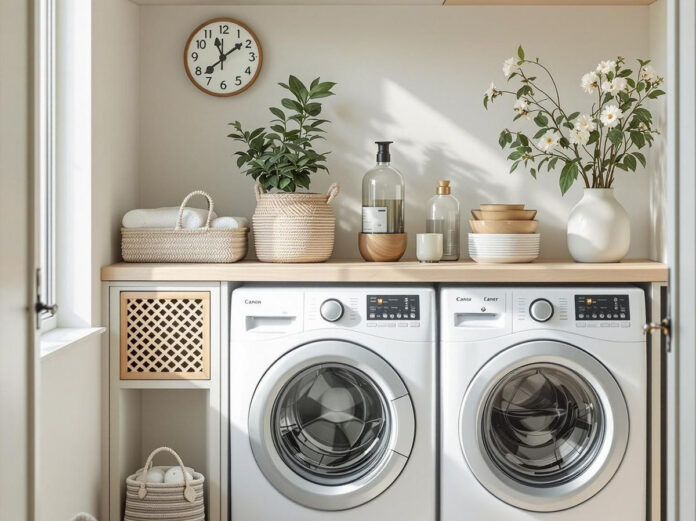
With living spaces getting smaller, planning before buying furniture is essential—especially in the service area, where space is limited and you need to store many items. To make this space practical, organized, and pleasant, here’s a step-by-step guide.
Preparation
Start by checking the location of water and drain points for the sink (or tank), washing machine, and dryer. This will help you determine how much space these appliances will occupy.
Also, check how the machines open—measure the clearance needed for doors or lids to avoid problems during use.
Next, decide on your clothesline type before purchasing furniture.
Ceiling models: Ensure they can lower and raise freely without hitting cabinets.
Wall or floor models: Great alternatives for tight spaces.
By defining these elements first, you can choose furniture that fits perfectly without future headaches.
Main furniture
As for practicality, so that your service area is perfect, and for maximum functionality, try to include:
A space for dirty laundry
A place for clothes waiting to be ironed
A hanger or rack for freshly ironed clothes
If space is limited, use mobile baskets, hooks, and foldable solutions.
A workbench for folding and ironing is a big plus. Some units even come with an integrated ironing board—perfect for quick touch-ups and saving space.
Don’t forget storage for cleaning tools like brooms, vacuum cleaners, ladders, and buckets. Multipurpose cabinets are ideal for keeping everything organized.
For the sink/tank:
Ceramic models are bulkier but can be installed independently.
Stainless steel models save space but usually require a countertop. Choose based on installation urgency, available space, and style.
If there’s still room, consider adding a shoe rack for recently worn shoes to air out.
When furnishing the house, the service area is usually the last, but have you ever thought that you pass by it every day? So how about making this a practical and enjoyable environment? When structuring your service area, don’t forget to choose the right lighting and coverings for this environment. Remember that every detail makes a difference.
How to cover and illuminate the service area
Many times we do not give importance to the service area, but this space must be well designed, not only thinking about the furniture but also its covering and lighting. Generally, we value the environments where we are going to receive visitors, but we also have to think about our day-to-day life, and that we have to feel good in every room of the house/apartment, right?
Coverings and Lighting
Covering Options
Glass Inserts: The inserts can be colored to make the environment more relaxed and more stimulating for any work to be done in the service area. You can use inserts above the countertop, with a horizontal stripe. If you have a piece of furniture above the countertop, between it and the countertop you can also complete it with inserts. Colorful tiles can brighten the space. Use them as a backsplash above the counter or in accent strips.
Polyurethane Panels: For those who like something cleaner and more sophisticated, the suggestion is the white polyurethane plate, about 30X30cm, manufactured with exclusive technology for recycling polyurethane waste. Cleaning should be done with a soft sponge moistened with water. Sleek, modern, and easy to clean. Often made from recycled materials.
Vinyl Panels: For those who want a more welcoming environment, the suggestion is the standard vinyl floor, which reproduces wooden planks. It looks great applied to the wall, as a covering. Cleaning is simple, it is done with a soft sponge moistened with water. Imitating wood, they add warmth and can be applied to walls as well as floors.
Lightning
With a good covering, we can create an even more pleasant environment with adequate lighting. In addition to general lighting, we can add decorative lighting, highlighting the different coverings of the environment.
General lighting
General lighting is that which is located in the central point of the service area, with cold light, and which is not directed. LED ceiling lights can be used, for example, with a color temperature greater than 4000K. The advantage of the LED ceiling light is that in addition to saving energy, it has a longer useful life because it is LED. This ceiling lamp does not create a shadow area on the luminaire, which creates a very interesting effect.
Decorative lighting – LED strip
For cozier lighting, it is ideal to use an LED strip with a color temperature of 2700 or 3000k, which produces a more yellowish light. You can place it under the upper cabinet, for example, and it can be plugged in or activated by a switch. Being in the socket, there is no need to hire an electrician, you can install it yourself, interesting, right?
Decorative lighting – Pendant
If your service area has a countertop without a cabinet above it, you can dare to place one or several small pendants that illuminate the countertop area. It will be a well-directed light and a decorative element in your environment. It is important to put a lamp with a warm color, I suggest a 2700 or 3000K LED.
Decorative lighting – Spot
If you have plaster in the service area, you can continue using recessed spotlights with a PAR20 2700/3000k LED lamp above the countertop area. Important: If your central luminaire (general lighting) is round, use a round bulb, and if it is square or rectangular, use a square bulb.
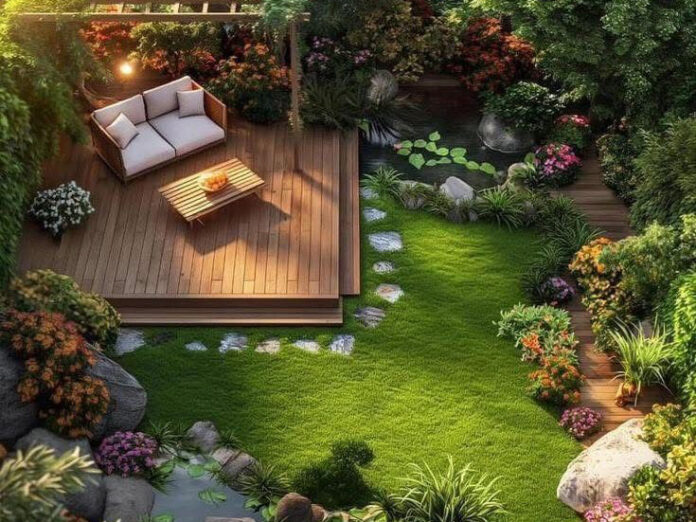
In general, it is advisable to choose plants that are native to the area in which you live, since these are usually more resistant to local pests and diseases. It is also important to note that proper plant care, such as proper watering and fertilization, can help strengthen their natural resistance against pests and diseases.
Possible common pests in a garden:
Insects: such as aphids, whiteflies, caterpillars, beetles, mosquitoes, flies, bedbugs, aphids, thrips, and ants.
Mites: such as tiny spider mites that can damage plant tissues.
Snails and slugs: they can chew leaves and plant shoots.
Rodents: such as squirrels, moles, voles, or mice, can damage the surface of plants or underground roots.
Birds: such as pigeons, sparrows, blackbirds, and starlings, can damage crops and peck at seeds and fruits.
Fungi: which can cause leaf spots, root rot, and plant diseases.
Weeds: like weeds, they can compete with plants and steal nutrients and space from them.
Verticillosis: a disease that affects crops and results in yellowing leaves, deformities, and death of plants.
It is important to care for and treat lawns and gardens safely and with proper procedures to control unwanted pest infestation.
Each of these pests can cause different types of damage to plants, from yellowing and wilting leaves to holes in leaves and fruits. It is important to identify the specific pests in your garden and find specific pest control solutions to keep your garden healthy and vibrant.
Tips to control the infestation of unwanted pests in gardens.
There are several suitable procedures to control the infestation of unwanted pests in gardens, which can help maintain the good health and appearance of plants, and prevent the spread of diseases and pests to other crops. Some of these procedures are:
Regular Inspection: It is important to regularly inspect plants and soil for signs of pests and diseases, such as damaged leaves and fruits, spots, holes, bite marks, droppings, insects, and larvae.
Manual removal: It is useful to manually remove pests that are present on the plants, such as aphids, scale insects, caterpillars, slugs, and snails, among others. To do this, you can use gloves and tools such as pruning shears or brushes.
Biological control: It is possible to introduce beneficial organisms such as predatory insects, nematodes, entomopathogenic fungi, and bacteria, among others, to control pests naturally and without affecting plants and other living beings.
Traps: Traps with pheromones and other attractants can be placed to effectively capture and control pests.
Natural pesticides: Natural pesticides such as essential oils, insecticidal soaps, diatomaceous earth, and garlic solutions, among others, can be used to reduce the presence of pests.
Crop rotation: It is important to move plants and crops from time to time to avoid the accumulation of pests and diseases in the soil and roots.
Proper maintenance: It is important to maintain proper care and maintenance of the garden, including cleaning of dry leaves and branches, regular pruning, watering, and proper fertilization, to avoid stress and vulnerability of plants to pests and diseases.
Pest control in gardens can be carried out effectively and naturally by implementing appropriate procedures to ensure the health and appearance of plants and maintain a healthy and balanced environment in the garden.
Which ornamental plants are most resistant to pests?
There are several ornamental plants that are known for their resistance to pests and diseases, such as:
Lavender
Famous for its soothing fragrance, lavender is more than just beautiful—it’s a natural pest deterrent. Its strong aroma and high concentration of essential oils repel insects like mosquitoes, moths, and flies. These same oils also help protect the plant from certain fungal diseases. Plant lavender in sunny, well-drained soil to enjoy both its beauty and its protective benefits
Chrysanthemum
Chrysanthemums are vibrant and long-lasting blooms, but they also have a hidden superpower: they produce natural pyrethrins, compounds widely used in organic insecticides. These substances effectively deter ants, roaches, fleas, and other pests. Grow them in sunny spots with regular watering for a pest-resistant burst of color.
Geranium
With their bright flowers and pleasant scent, geraniums double as a natural insect repellent. They contain antibacterial and antifungal compounds, giving them strong defenses against diseases. Perfect for garden borders or potted arrangements, they thrive in sunny locations and moderate watering.
Catnip
Best known for its effect on cats, catnip also works wonders as a pest-resistant plant. It contains nepetalactone, a compound that naturally repels mosquitoes, flies, and even cockroaches. Easy to grow and low-maintenance, catnip flourishes in full sun or partial shade.
Calendula
Often called pot marigold, calendula adds cheerful orange and yellow hues to any garden while keeping pests at bay. Rich in carotenoids and flavonoids, it not only resists insect damage but also heals quickly from minor stress. It’s ideal for companion planting, especially near vegetables.
Mold in bathrooms forms due to humidity and warm environment. Bathrooms are areas prone to humidity, as there is constant contact with water and steam, and there is not always good ventilation. Mold grows in areas where there is moisture and is able to reproduce and spread quickly.
To prevent mold formation in bathrooms, it is important to keep them ventilated and dry after use, as well as regularly clean areas prone to mold growth, such as tiles and tile joints.
How can you prevent mold growth in bathrooms?
There are several steps you can take to prevent mold growth in bathrooms, such as:
Keep the bathroom ventilated: Whenever possible, keep a window open or use a fan to ensure there is good air circulation in the bathroom. This will help prevent moisture and mold.
Clean regularly: Clean the bathroom at least once a week to prevent moisture buildup and mold buildup. Use mild, nonabrasive cleaners, and be sure to rinse the area thoroughly after cleaning.
Dry surfaces: Be sure to dry surfaces after using the bath or shower. This helps prevent moisture buildup and mold formation.
Use dehumidifying products: Dehumidifying products are available that help reduce humidity in the air. You can place one in your bathroom to prevent mold growth.
Use anti-mildew paint: If you are remodeling your bathroom, consider using anti-mildew paint on the walls and ceiling. This paint helps prevent the growth of mold and mildew.
By following these tips, you can keep your bathroom free of mold and moisture. If you already have mold in your bathroom, it is important to take steps to eliminate it and prevent its reappearance.
Importance of having the bathroom ventilated
Maintaining good ventilation in the bathroom is crucial to maintaining a healthy home environment. When moisture and odors accumulate in an enclosed space, conditions are created that are conducive to the growth of mold, bacteria, and other harmful microorganisms.
Furthermore, if ventilation is poor, stale air can spread throughout the house, affecting air quality and causing respiratory and skin problems in the inhabitants.
In the bathroom, where many moisture-producing activities occur, such as showering, bathing, and laundry, a proper air extraction system must be necessary to remove moisture and odors.
If you do not have a window or exhaust fan, it is important to open the bathroom door and turn on a fan to increase airflow and decrease humidity.
In summary, having good ventilation in the bathroom is essential to maintain a healthy and safe environment at home and to prevent the appearance of health problems related to humidity, mold, and other microorganisms.
Natural dehumidifying products in bathrooms
Bathrooms are one of the most humid places in the house, especially after a hot shower or bath. Excess humidity can cause damage to walls, ceilings, and furniture, as well as promote the growth of mold and mildew, which can affect respiratory health.
To combat humidity in bathrooms, there are various options for natural dehumidifying products, which absorb humidity from the environment effectively without emitting toxic substances or aggressive chemicals.
Among the most popular natural dehumidifying products for bathrooms are:
Silica gel sachets: This product is a desiccant that absorbs moisture from the air thanks to its chemical properties. It can be found in small bags that are placed on shelves, closets, or hung on hooks in the shower. They can be reused after drying in the sun for a while.
Activated charcoal: It is also a natural desiccant that can be used in small bags or in containers that are placed on bathroom shelves. Activated carbon has the ability to absorb humidity and bad odors from the environment.
Salt: Salt is a very common and useful item in the kitchen, but it also has dehumidifying abilities. It can be placed in containers in places where moisture tends to accumulate, such as in the corners of the bathroom.
Vinegar: Although it may seem contradictory to use vinegar in the bathroom, it is a natural product that has dehumidifying properties. A container of vinegar can be placed in the bathroom, especially after a hot shower.
These are just a few examples of natural dehumidifying products that can be used to maintain a dry and healthy environment in bathrooms. These are simple, economical options that do not have long-term harmful effects.
Ideal plants to avoid humidity and mold in bathrooms
There are several plants that are ideal for reducing humidity and preventing mold formation in bathrooms. Among them are:
Ferns: Ferns are great for absorbing excess moisture in the air. Plus, they are easy to grow and don’t need a lot of light.
Mother-in-law’s tongue: Also known as Sansevieria, this plant is resistant and very decorative. It is capable of filtering the air and eliminating some toxic substances present in the environment.
Spathiphyllum: this plant with green leaves and white flowers is perfect for bathrooms, as it requires little natural light and absorbs humidity from the air.
Ribbons: Ribbon plants are easy to care for and grow well in moist environments. In addition, they are very resistant and tolerate variable temperatures well.
Philodendron: This plant with large leaves is another ideal option to combat humidity in bathrooms. Additionally, its leaves absorb pollutants from the air and convert them into oxygen.
In short, any of these plants will be an excellent option to keep your bathroom free of moisture and mold.
It is important to keep in mind that tastes and preferences in interior design are very personal and can vary widely. What is important to one person may not be important to another, and what attracts one person may not be attractive to another. The most important thing is to find a style that suits your tastes and your way of living.
The colors used in different interior design styles can vary widely, and some colors may be used in several different styles.
Colors can have a big impact on the interior design of a room or home. Colors can create different environments and moods and can influence the way people feel in a given space. Some ways colors can influence interior design are:
Mood: Colors can affect people’s moods and can be used to create a more relaxed, more energizing, or more sophisticated environment. For example, soft, pastel colors can create a more relaxed environment, while vibrant, bright colors can create a more energizing environment.
Dimension and size: Lighter, softer colors can make a space appear larger and brighter, while darker, more saturated colors can make a space appear smaller and darker.
There are many different styles in interior design, and some of the most popular include
Classic
The classic style is characterized by the use of traditional and timeless furniture and decorative elements, such as columns, moldings, and geometric motifs. Soft tones and high-quality materials, such as wood and ivory, are also typical of the classic style.
The classic style is a traditional and timeless style that tends to attract people who value quality and durability. Often, people who enjoy the classic style are conservative and have a more traditional personality. They may also be people who appreciate history and culture and enjoy decorative items that have a history or cultural heritage behind them.
The classic style may also appeal to people who seek a more formal and elegant environment, and who value beauty and elegance in their home design.
Classic colors are usually darker, more neutral tones, such as black, gray, and brown. They can also include more vibrant colors, such as red and dark blue.
Modern
The modern style is based on simple shapes and clean lines, and often uses materials such as steel, glass, and concrete. Neutral colors and soft textures are common in modern design.
The modern style tends to attract people who value simplicity and functionality in interior design. Often, people who enjoy modern style are practical and have a more contemporary and minimalist personality. They may also be people who appreciate technology and modern advancements and enjoy decorative elements that reflect this.
The modern style may also appeal to people who are looking for a more relaxed, minimalist feel, and who value comfort and ease of maintenance in their home design.
Modern colors are usually lighter, more neutral tones, such as white, gray, and beige. They can also include more vibrant colors, such as yellow and red.
Industrial
The industrial style is inspired by industrial buildings and uses materials such as metal, brick, and exposed concrete. Open spaces and simple lines are also key features of industrial design.
The industrial style tends to attract people who value simplicity and functionality in interior design. Often, people who enjoy the industrial style are practical and have a more contemporary and minimalist personality. They may also be people who appreciate technology and modern advancements and enjoy decorative elements that reflect this.
The industrial style may also appeal to people who are looking for a more relaxed, minimalist vibe, and who value comfort and ease of maintenance in their home design.
Industrial colors are usually darker, more neutral tones, such as black and gray. They can also include more vibrant colors, such as red and dark blue.
Rustic
The rustic style is inspired by nature and uses natural materials such as wood, iron, and stone. Warm colors and rustic textures are also typical of rustic design.
The rustic style tends to attract people who value nature and simplicity in interior design. Often, people who enjoy the rustic style are laid-back and have a more traditional, homey personality. They may also be people who appreciate history and culture and enjoy decorative items that have a history or cultural heritage behind them.
The rustic style may also appeal to people who are looking for a warmer, more welcoming environment, and who value comfort and ease of maintenance in their home design.
Rustic colors are usually warmer, earthier tones, such as brown and beige. They can also include more vibrant colors, such as red and yellow.
Eclectic
The eclectic style combines elements from different styles and eras, creating a unique and personalized mix. Eclectic designs are usually colorful and full of personality.
The eclectic style tends to attract people who value diversity and originality in interior design. Often, people who enjoy the eclectic style are creative have a more versatile personality, and are open to new experiences. They may also be people who appreciate history and culture and enjoy decorative items that have a history or cultural heritage behind them.
The eclectic style can also attract people who are looking for a more colorful and personality-filled environment, and who value comfort and ease of maintenance in their home design.
Eclectic colors can vary widely and can include any shade or combination of colors.
Transitional
The transitional style is a mix of classic and modern styles. It is characterized by the use of timeless furniture and decorative elements and the combination of traditional and contemporary materials.
The transitional style tends to attract people who value versatility and the combination of traditional and modern elements in interior design. Often, people who enjoy transitional styles are practical and have a more versatile and adaptable personality. They may also be people who appreciate history and culture and enjoy decorative items that have a history or cultural heritage behind them.
The transitional style may also appeal to people who are looking for a more formal and elegant environment, and who value comfort and ease of maintenance in their home design.
Transitional colors are usually more neutral and sophisticated tones, such as gray and beige. They can also include more vibrant colors, such as red and dark blue.
Art deco
The Art Deco style is inspired by 1920s design and uses curved and geometric lines, as well as materials such as ivory and gold. The bright colors and ornamental design are also typical of the Art Deco style.
The Art Deco style tends to attract people who value elegance and luxury in interior design. Often, people who enjoy the Art Deco style are refined and have a more sophisticated and glamorous personality. They may also be people who appreciate history and culture and enjoy decorative items that have a history or cultural heritage behind them.
The Art Deco style may also appeal to people who seek a more formal and elegant environment, and who value comfort and ease of maintenance in their home design.
Art Deco colors are usually more elegant and glamorous shades, such as gold and silver. They can also include more vibrant colors, such as red and purple.
Mid-Century Modern
The Mid-Century Modern style is inspired by the design of the 1950s and is characterized by the use of simple shapes and curved lines, as well as the use of materials such as glass and plastic. Bright colors and the use of geometric patterns are also typical of Mid-Century Modern design.
The Mid-Century Modern style tends to attract people who value simplicity and functionality in interior design. Often, people who enjoy the Mid-Century Modern style are practical and have a more contemporary and minimalist personality. They may also be people who appreciate technology and modern advancements and enjoy decorative elements that reflect this.
The Mid-Century Modern style may also appeal to people who are looking for a more relaxed, minimalist vibe, and who value comfort and ease of maintenance in their home design.
Mid-Century Modern colors are usually lighter, more neutral tones, such as white and gray. They can also include more vibrant colors, such as yellow and red.
Other styles in interior design
Colonial
The colonial style is inspired by colonial design and uses traditional furniture and decorative elements, such as wood and wicker. Warm colors and rustic textures are also typical of the colonial style.
Colonial colors are usually warmer, earthier tones, such as brown and beige. They can also include more vibrant colors, such as red and yellow.
Mediterranean
The Mediterranean style is inspired by the design of Mediterranean countries and uses materials such as wood, ceramics, and wrought iron. Warm colors and rustic textures are also typical of the Mediterranean style.
Mediterranean colors are usually warmer, earthier tones, such as brown and beige. They can also include more vibrant colors, such as red and yellow.
Artisanal
The artisanal style is inspired by craftsmanship and uses artisanal materials and techniques in decoration. Warm colors and rustic textures are also typical of the artisanal style.
Craft colors are usually warmer, earthier tones, such as brown and beige. They can also include more vibrant colors, such as red and yellow.
Bohemian
The bohemian style is inspired by bohemian culture and uses exotic and colorful decorative elements. Bright colors and soft textures are typical of the Bohemian style.
Bohemian colors are usually brighter, more exotic shades, such as purple, red, and yellow. They can also include softer, pastel colors, such as pink and light blue.
Japanese
Japanese style is inspired by Japanese culture and design and uses traditional decorative elements such as rice paper and bamboo. Soft colors and simple shapes are typical of Japanese style.
Japanese colors tend to be softer, pastel shades, such as pink, light blue, and light green. They can also include darker, more neutral colors, such as black and gray.
Scandinavian
The Scandinavian style is inspired by the design of Scandinavian countries and uses light colors and materials such as wood and metal. Light colors and simple shapes are typical of the Scandinavian style.
Scandinavian colors are usually lighter, more neutral tones, such as white, gray, and beige. They can also include more vibrant colors, such as yellow and red.
Shabby chic
The shabby chic style is inspired by antique design and uses furniture and decorative elements that appear aged and worn.
Shabby chic colors are usually softer, pastel shades, such as pink, light blue, and light green. They can also include darker, more neutral colors, such as black and gray.
Define the Purpose: Before diving into furniture selection, identify the primary purpose of your living room. Is it a space for entertaining guests, family movie nights, or a quiet reading corner? Understanding the room’s purpose will guide your furniture choices.
Layout Planning: Consider the room’s layout and architecture. Arrange furniture to create conversation areas, ensuring that the seating is conducive to socializing and that pathways are clear. Don’t be afraid to experiment with different arrangements until you find what feels most comfortable.
Comfort is Key: Invest in comfortable seating. Sofas and chairs should be inviting and supportive. Test the furniture in person, if possible, to ensure that it meets your comfort standards. Think about materials, too—soft fabrics like cotton, linen, or leather can enhance overall comfort.
Mix and Match Styles: Don’t be afraid to mix and match furniture styles for a curated and eclectic look. Blend modern and traditional pieces to add visual interest. Just be sure to maintain a cohesive color palette or theme to tie everything together.
Functional Coffee Tables: The coffee table is a focal point in the living room. Choose one that complements your style and provides functionality. Look for options with storage, like shelves or drawers, to keep remote controls, magazines, or other items neatly tucked away.
Versatile Storage: Incorporate storage solutions that are both stylish and functional. Entertainment units, bookshelves, or storage ottomans can help keep the living room organized while adding visual interest.
Accent Chairs for Personality: Introduce accent chairs to inject personality into the space. Whether it’s a bold color, a unique pattern, or an interesting shape, accent chairs can be conversation starters and add flair to your living room.
Scale and Proportion: Pay attention to the scale and proportion of your furniture. Ensure that pieces are appropriately sized for the room—neither too large nor too small. Balance is key to creating a harmonious and visually appealing space.
Flexible Lighting: Illuminate the living room with a mix of lighting sources. Ceiling fixtures, floor lamps, table lamps, and even wall sconces can contribute to a well-lit and inviting atmosphere. Consider dimmer switches for added flexibility.
Personal Touches: Finally, add personal touches through accessories like throw pillows, blankets, and artwork. These elements can tie the room together and reflect your unique style.
Niches and shelves are essential for those who like multipurpose elements in the decoration of the entire house. They work as ideal pieces for storing and keeping organized decorative objects, photo frames, books, or anything that needs to be at hand when needed.
In addition to beautifying and stylizing environments, niches and shelves guarantee space savings, since they can be fixed in any environment, facilitating the movement of people and the daily routine.
The versatility of the models, combined with the options of sizes and formats, offer countless possibilities of use and characteristic advantages that these accessories have. So, look at the tips we have separated for you to organize, combine, and install niches and shelves.
Difference between niches and shelves
Despite the similarity, niches and shelves have their characteristics. The niches have closed shapes and edges that favor support in the arrangement of the elements. The shapes are geometric, such as squares, rectangles, triangles, hexagons, and circles. The quantity, height, and alternative compositions guarantee personality to the niches.
The shelves are open and have a linear appearance, which gives a more traditional touch to the environment. They are perfect for filling small spaces and storing items that are not used very often.
A common point is that, unlike shelves, niches and shelves do not have direct contact with the floor, since they are fixed to the walls. Even so, there are some decoration styles in which the niches are at floor height and the shelves can be installed as bookcases.
Tips on how to organize niches and shelves
Good organization is essential so that the decoration is complete in every corner of your home. The ideal is for the environment to be beautiful, keeping everything in order, in a practical and functional way. Here are some tips on how to organize content into niches and shelves:
Try not to load them with excess objects so as not to block access and view of other elements. This way, you will avoid unnecessary visual discomfort.
If you need to store a lot of things and make the most of the available space, use niches and shelves in laundry rooms, pantries or in the “small dining room”. The organizing boxes and baskets receive greater storage volume, allowing them to occupy all the space between the shelves.
Organize the shelves thinking about balance. Heavier objects should be on the edges of the surface. Try to accommodate smaller, more discreet elements in the central part of the piece.
To hide visible clutter in niches and shelves, use all the potential and discretion of organizing boxes and baskets. You don’t need to mix items that are not used frequently with books or souvenirs that are exposed to dust. An alternative is to separate the boxes according to the functions of the objects.
A shelf can contain objects of disproportionate shapes and sizes. The tip to present a sense of unity is to group them together with other items with equivalent proportions.
Children’s or baby room
Children’s shelves of various sizes and with special edges to ensure the safety of the little ones serve as toy organizers and accommodate books, comics, and decorative objects. Together with the niches, the shelves can be strategically installed within reach of children’s hands, at an easily accessible height. To bring more joy to the children’s room, invest in fun colors, shapes, and themes.
Adult room
En particular, esta es una sala que ofrece las más diversas composiciones para nichos y estanterías. Si la falta de espacio es un problema, los nichos pueden cubrir toda la pared del dormitorio, resaltando los adornos decorativos y almacenando artículos que necesitan un fácil acceso. También se pueden unir alrededor y sobre la cama.
Los estantes dispuestos en varias alturas y direcciones le dan a la habitación una sensación limpia y moderna. Realzan la decoración, ya sea en una o varias paredes de la estancia y sirven de soporte para libros, portaretratos y dispositivos electrónicos.
Home Office
The place reserved for the routine of work and home studies requires practicality first of all. The niches and shelves work together, depending on the storage need. The advice is to consider what you will need to have on hand, such as folders, books, and other materials. The style and composition of the niches and shelves in the office will make a difference, as will the colors and formats. The result can come with a more sober tone or even a relaxed and creative tone to the environment.
Bathrooms
Niches can be used in the bathroom and become important in the optimization and organization of spaces. As it is a small room, that requires frequent cleaning, the niches fit perfectly for storing towels, hygiene items, and toilet paper rolls.
The shelves can be used as a holder for decorative items, flower pots, scented candles, and perfumery. In general, be careful of the environment within the environment to avoid accidents. Circulation cannot be hindered by the excess or size of niches and shelves.
Kitchen
In the kitchen, the niches have more classic formats, with square and rectangular models. They fill spaces on the wall and can be installed in cabinets, functioning as a support to house decorative elements and kitchen utensils. The secret is to plan exactly what to have on hand, according to the resident’s intention.
To store spice jars and glasses, use shelves with a depth of 10 to 15 cm. Pots, appliances or even potted plants require that the pieces have a depth of between 35 and 40 cm. Like the niches, the shelves installed in the kitchen are very practical in the daily life of the house.
Rooms
In the living rooms and dining rooms, creativity can be abused in the compositions, enhancing the personality of the residents and transmitting sensations to the diners.
Niches can replace large and heavy built-in shelves, shelves and cabinets. They perform decorative and organizational functions very well. An advantage is that niches, shelves and furniture with the same functions can coexist in an integrated way. Everything will depend on the use that each one will have in the living room or dining room. A shelf may have a niche structure to hold books and other decorative items, for example.
An interesting suggestion is to use shelves on an entire wall, around the television, taking the opportunity to accommodate other electronic accessories and decorative objects. Small shelves when installed at different heights add a delicate touch to displaying ornaments, without requiring much space.
Main types of niche compositions
We have already talked about the versatility of niches and composition possibilities. Now we are going to know some of the positions in which they can be installed. Each of them brings different visual effects and functions according to the taste of the resident. Take a look at the main configurations to compose the niches in your home:
Aligned vertically or horizontally
It is the most traditional and balanced way of organizing niches. When aligned horizontally, their regular style is suitable for work environments or children’s rooms: places where organization is generally required. Side by side, without spaces between the niches, it is possible to form a shelf. The vertical arrangement highlights the right foot of the room, giving a feeling of a higher room.
Diagonal
This composition looks great on a large wall since a larger space is required to achieve the expected result. Try this option in younger, more relaxed environments for an impression of movement. Give it a touch of originality by varying the space between the pieces and the shape of the niches.
Irregular or asymmetrical
There is no pattern here, much less the search for an idea of stability. The irregular or asymmetric shape causes a reverse impact. It is a very modern and relaxed composition, aimed at bedrooms, living rooms or environments that have the same decorative style.
Alternate
Visually, this option may cause discomfort for some people, but the concept of aligned and misaligned is a versatile path that conveys an extroverted touch to the environment. Take into account the shape of the pieces and the characteristics of the place for the best choice. Try to distribute the niches in several areas of the room to create a lighter atmosphere.
Box
The box or box composition forms a square. This way of arranging the niches can be created regardless of the number and size of the pieces in (also) square or rectangular formats. It helps keep the room organized and takes up free wall space in an eye-pleasing way. The number of rows and columns, as well as the space between niches, allow for the creation of modern options, despite the sense of continuity that straight lines promote.
Precautions when installing niches and shelves
Some points of attention before fixing niches and shelves on the walls end up emerging as essential to avoid accidents and achieve the best visual and functional result for the environment. Check out some tips:
Consider the material of the parts to be installed. MDP and MDF in bathrooms have a high possibility of swelling due to humidity. In this case, prefer glass, stones, or other raw materials as coating.
After deciding between a niche or shelf, measure the location where the installation will take place. The idea is not to make a mistake in the width so that it is not necessary to cut the piece, avoiding spoiling the original finish.
Nobody wants to take risks, especially when you have children or pets at home, right? Therefore, ensure the firmness of the pieces and do not exceed the weight limit that the manufacturer usually indicates on the packaging. To properly secure them, follow the installation instructions in the assembly manual exactly or call a professional.
Never place excessive load in niches and shelves. Over time, they can give way and cause unwanted inconvenience. What counts is common sense when filling spaces with elements that do not affect the structure of the pieces and, consequently, the walls. Also, make sure that the place where the holes will be made is not near pipes and plumbing.